Off-Market Property in Notting Hill: How the Best Homes Really Sell
Back
Off-Market Property in Notting Hill: How the Best Homes Really Sell
@SilvinaPazLondon
Some of the best homes in Notting Hill never appear on Rightmove, Zoopla or On The Market. No portal listing, no 'for sale' board, no open house. They change hands quietly, between people who know where to look.
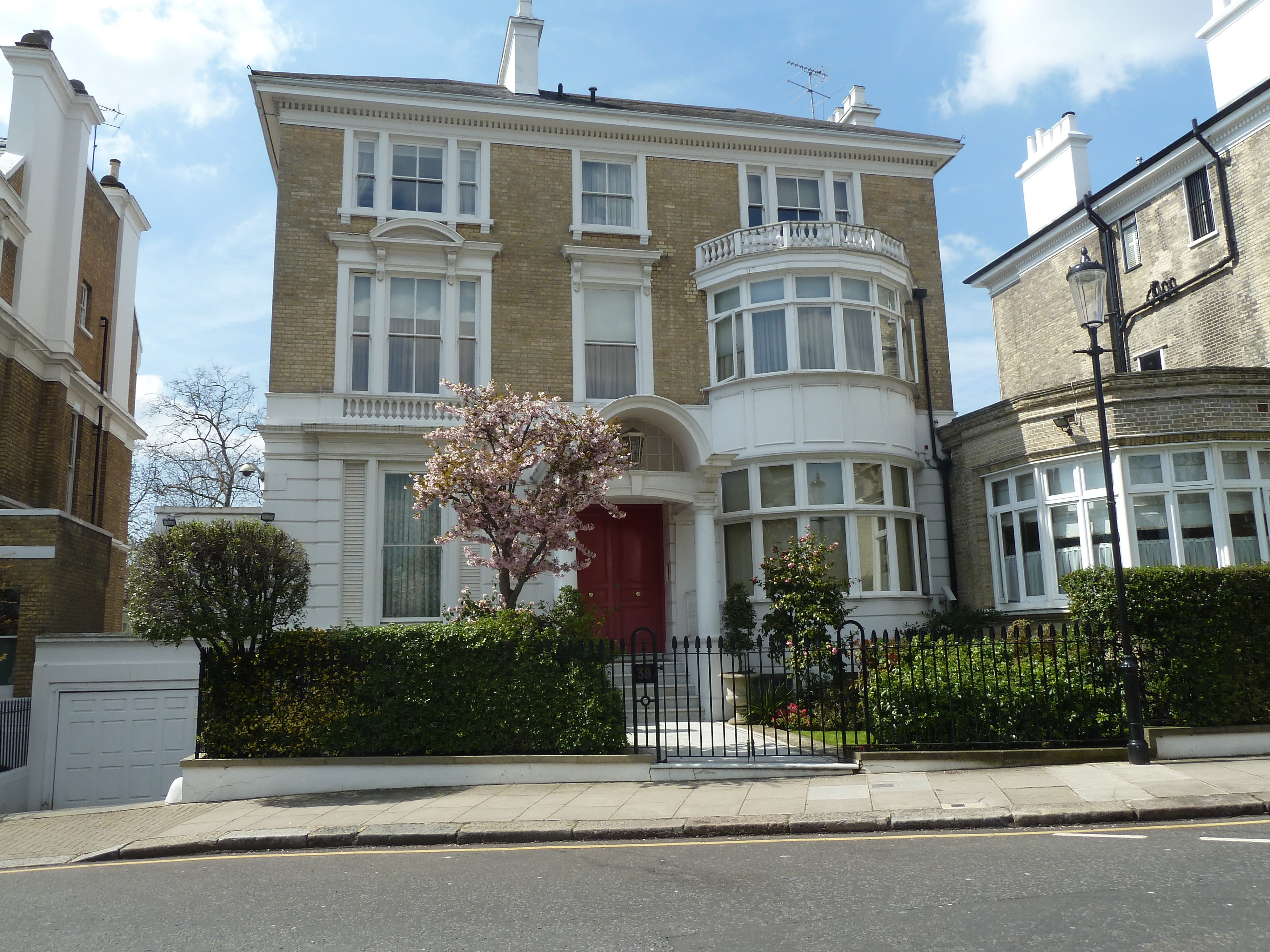
I have just sold one of them: a freehold family house in Notting Hill, sold off-market from start to finish.
So what does 'off-market' really mean? Who is it for? And why, in today's market, is it often the smartest way to buy or sell in W11?
Here is what nearly 15 years in Prime Central London has taught me. What is off-market property? An off-market property is a home for sale that is not publicly advertised. Instead of the portals, it is presented privately to a curated group: qualified buyers, trusted buying agents and the selling agent's own network.
There is a myth worth busting here. Off-market does not mean secret, second-rate, or hard to sell. In Prime Central London, it is often the opposite. It is a deliberate strategy, chosen for control, discretion and quality of buyer.
You may also hear it called a 'quiet sale', 'private sale' or 'discreet marketing'.
They all mean broadly the same thing.
Why off-market works so well in Notting Hill?
Notting Hill is not one market. It is a patchwork of streets, garden squares and communal gardens, where a few hundred metres can change everything about a home's value.
That makes it ideal for off-market selling:
• Buyers are specific. Many families are waiting for one street, one garden square or one school catchment. They are not browsing, they are hunting.
• Supply is limited. Good freehold family houses come up rarely, and the right buyers are often already known to good agents.
• Privacy matters. Many owners and buyers here are high-profile, international or simply private. A public listing is not always welcome.
• Buying agents are active. A large share of serious buyers in W11 now come through buying agents, and they talk to selling agents directly. Certain parts of London are still performing well.
Notting Hill's best houses, in particular, continue to attract strong buyers.
But in this market, how a home is brought to them matters more than ever. Selling off-market in Notting Hill: is it right for you? For the right home and the right seller, selling off-market offers real advantages.
The benefits
• Discretion. No photos of your home on the internet, no neighbours speculating, no public price history.
• Control. You decide who views, and when. Every buyer is qualified before they step through the door.
• No 'stale listing' risk. A home that sits on the portals for months loses momentum. Off-market, the price is tested privately first, and nothing goes on the record.
• Serious buyers only. Fewer viewings, better conversations, stronger offers.
When it may not be right?
Off-market is not a magic formula.
It suits homes with clear appeal and sellers who value privacy and certainty. If your priority is maximum exposure, or the property needs a wide audience to find its buyer, a public launch may serve you better.
Some sellers start off-market and go public later if needed. That is a strategy too.
The key is that the decision is made deliberately, not by default.
How to find off-market property in Notting Hill as a buyer?
If you only search the portals, you are seeing part of the market.
Here is how serious buyers get access to the rest.
1. Work with a buying agent. A good buying agent knows which homes are quietly available, which owners might sell for the right offer, and which agents to call first.
2. Be ready. Off-market sellers want certainty. Have your finances in place (proof of funds or a mortgage agreement in principle) and your solicitor lined up before you view.
3. Be specific. 'A house in Notting Hill' is not a brief. Street, size, garden, schools, budget and timing are. The clearer your brief, the more doors open.
4. Move decisively, not blindly. Off-market homes do not wait long. But due diligence still matters: lease length on flats, structural surveys, planning history and service charges.
As I always say to my buying clients: the best homes find the best-prepared buyers.
From 'agreed' to 'completed': where deals are won or lost
Agreeing a price is only the halfway point.
In this market, deals rarely fall over because of price. They fall over because of what happens after it. Surveys raise questions. Solicitors ask more questions. Neighbours appear. Something unexpected always comes up. The agent's job is to anticipate those issues, solve them as they arise, and keep both sides moving towards completion.
Freehold houses vs flats?
A freehold house, like the one I have just sold, is the relatively simple scenario.
Fewer parties, fewer documents, fewer moving parts.
Flats, and smaller flats in particular, are a different story. Freeholders, managing agents, leasehold information packs, lenders and solicitors on both sides all have to move together. Transactions are dragging on for months. The real risk is fatigue. The longer a deal takes, the more people stop caring, and that is exactly when deals quietly die.
Keeping momentum, and keeping everyone engaged, is now half the job.
Case study: a freehold house in Notting Hill, sold off-market
This Notting Hill family house was sold entirely off-market.
No portals, no public listing.
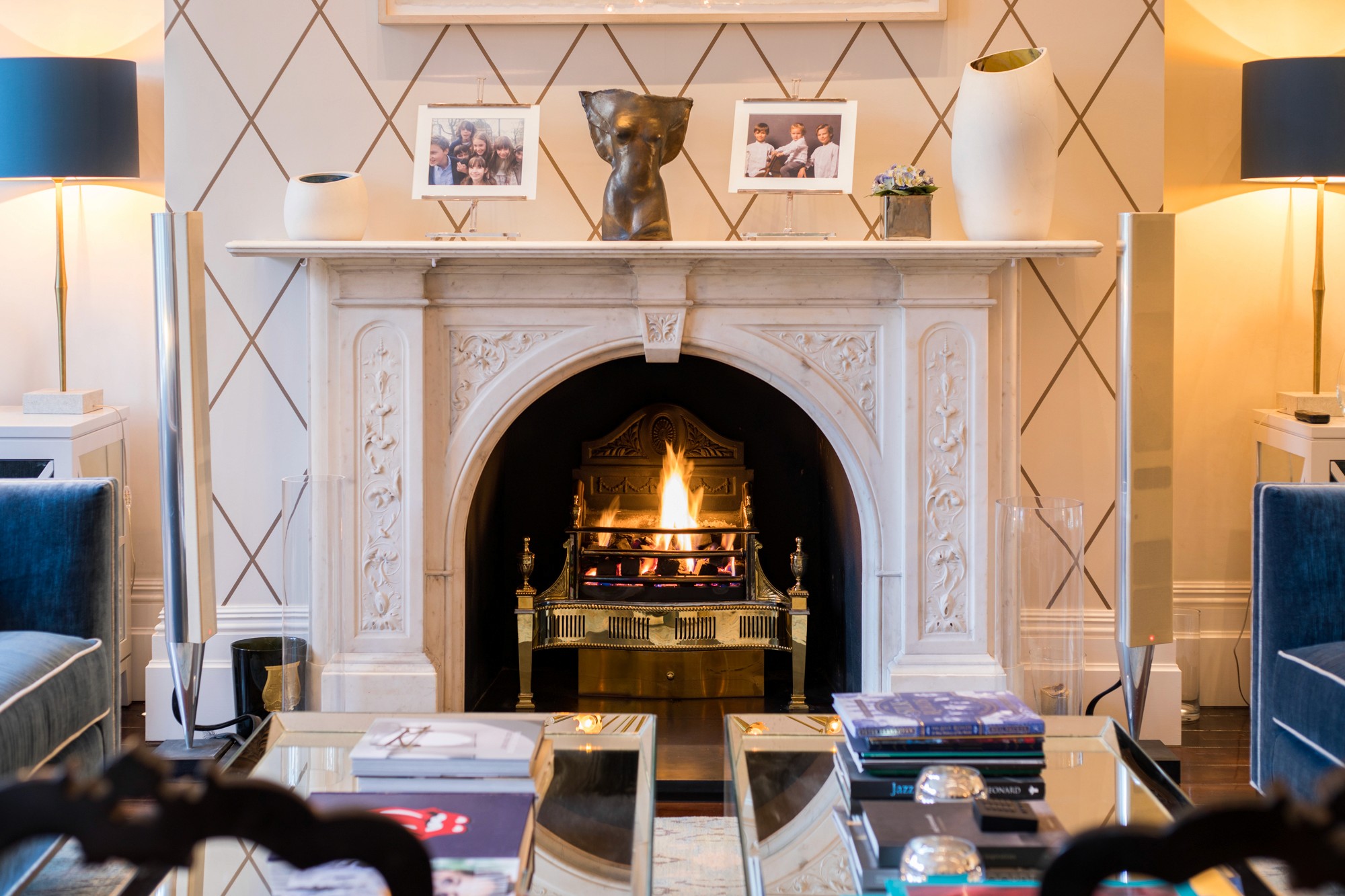
The strategy. This house was beautifully designed inside, with many features not commonly found in a house of its kind. Going off-market meant no one would be just 'nosing around', and a family with young, school-age children would not be disturbed. Instead of a public launch, the house was presented privately to a targeted network of buying agents and qualified buyers. The aim was a strategy built for today's Prime Central London market, not the market of a few years ago, bringing only serious buyers through the door.
The WhatsApp factor. Much of today's off-market market in London moves through private WhatsApp groups, where trusted agents share homes with each other before, or instead of, any public launch. They are fast, discreet and built on relationships. This house was shared in one of these groups, and that is where the sale came from. And they are not open to the ‘general public’. They are only available to selected agents.
The negotiation. Early on, we received a cheeky offer. We did not accept it, but we took it as a sign that the demand was there. We also received three rental offers, even though we were not looking to let the house, which confirmed its appeal. Once a strong offer was on the table, we negotiated carefully to secure the right outcome for my client. The road to completion. Then came the work nobody sees: the questions, the reports, the neighbours, the surprises.
Each one had to be solved calmly and quickly so the deal kept its momentum.
Off-market property in Notting Hill: FAQs
Do off-market homes sell for less? Not necessarily. With the right strategy and genuinely competitive buyers, off-market homes can achieve strong prices.
What matters is who sees the property and how it is negotiated, not how many people see it. How do I find off-market properties in Notting Hill? Through a buying agent with strong local relationships, and by being a prepared, credible buyer that selling agents want to call first.
Is selling off-market more expensive? Not inherently. Fees depend on the agent and the service. You also avoid some public marketing costs.
Can I go public later if I start off-market? Yes. Many sellers test the market privately first. If the right buyer does not appear, a public launch is still an option, and nothing is on the public record.
About Silvina Paz London I am Silvina, an independent Prime Central London property consultant with nearly 15 years of experience. I act as both a buying agent and a selling agent across Notting Hill, Kensington, Chelsea, South Kensington, Belgravia, Mayfair and Marylebone and a few selected areas of PCL. Before property, I trained as a lawyer and worked in investment banking. Both shape how I work: rigorous on detail, calm under pressure, and always on my client's side.